


Gut Health for Dogs: Probiotics, Enzymes & Foods That Transform Wellness
As a devoted dog parent, you want the best for your furry friend, and that includes supporting gut health for dogs from the inside out. Just like humans, dogs can experience digestive issues that can affect their overall well-being. That's where enzymes and probiotics come into play.
Sure enough, there are ways to restore your dog's gut health naturally! In this guide, we will explore the benefits of using enzymes and probiotics for your dog's digestive health and introduce you to some awesome products that can help.
What Is the Gut Microbiome?
The gut microbiome is the complex community of trillions of microorganisms, including bacteria, viruses, fungi, and protozoa living in the digestive tract. This ecosystem helps break down food, absorbs essential nutrients, trains the immune system, and influences brain function and mood
Why Gut Health Drives Overall Health
Around 70% of a dog's immune cells reside in the gut, where helpful bacteria help defend against harmful pathogens, according to Cornell University's College of Veterinary Medicine. Microbes in the gut also produce neurotransmitters that can affect a dog's behavior, stress levels, and overall temperament, part of what veterinarians call the gut-brain axis. Because of this, gut health influences not only a dog’s digestion but everything from immune responses to mental well-being.
Signs of Poor Gut Health in Dogs
-
Loose stools or diarrhea: Frequent runny or soft poops that signal poor nutrient absorption.
-
Excess gas and bloating: Loud tummy gurgling, foul wind, and a tight belly.
-
Vomiting or nausea: Regular throwing up, heavy drooling, or frequent lip-licking.
-
Constipation: Straining to poop or passing hard, dry stools.
-
Appetite and weight shifts: Sudden pickiness, skipping meals, or losing weight even when eating normally.
-
Skin and coat issues: Dull fur, dry skin, or constant scratching linked to the gut-immune connection.
-
Bad breath: A sour or fermented mouth odor not caused by poor teeth.
-
Low energy and mood shifts: Lethargy, unusual anxiety, or sudden irritability tied to the gut-brain axis.
-
Strange eating habits: Eating grass, dirt, or non-food items.
If any of these signs are severe or last more than a day or two, check in with your veterinarian. Persistent digestive changes can point to an underlying issue that needs professional care, and supplements are meant to support gut health, not replace a vet's diagnosis.

Probiotics vs. Enzymes
Enzymes and probiotics are both used for gut health, but they work in very different ways. Digestive enzymes are non-living proteins that break down food, probiotics are live microorganisms that balance gut bacteria, and they can be taken together.
|
What They Are |
What They Do |
When to Use |
|
|
Digestive Enzymes |
Non-living proteins made by the body or found in foods and supplements that act as tools to split food into tiny parts. |
Directly and immediately break down proteins, fats, carbohydrates, and dairy so the body can absorb them. |
Can be used daily |
|
Probiotics |
Live, good bacteria and yeasts that you add to the digestive tract. |
Supports the long-term gut environment, immune system, and overall microbiome health. |
Can be used daily |
Why are Enzymes and Probiotics Important for Your Dog's Digestive Health?
Your dog's digestive system is a complex network of organs and processes that work together to break down food and absorb nutrients. Just like humans, dogs also have a gut microbiome, which consists of trillions of bacteria and other microorganisms that play a crucial role in their digestive function. This delicate balance of gut flora is easily disrupted, and it can lead to digestive issues such as diarrhea, constipation, gas, and bloating.
Just like humans, dogs also have a gut microbiome, which consists of trillions of bacteria and other microorganisms that play a crucial role in their digestive function. Enzymes and probiotics are essential for maintaining a healthy gut for your dog. Enzymes are naturally occurring substances that help break down food into smaller, more easily absorbed molecules, making it easier for your dog's body to digest and absorb nutrients.
Probiotics, on the other hand, are beneficial bacteria that help maintain a healthy balance of gut flora, supporting proper digestion and overall gut health.
Benefits of Enzymes and Probiotics for the Digestive Health for Dogs
Digestive enzymes are important for breaking down your pet's food into usable nutrients, supporting nutrient absorption and improving healthy digestion within the digestive tract. The benefits of enzymes support the digestive system and promote better stool quality and regularity. This can be especially helpful for pets prone to occasional digestive issues. Dogs with a diagnosed condition such as exocrine pancreatic insufficiency should be managed under veterinary guidance.
Probiotics are enriched with billions of live cultures. By bolstering your dog's desirable intestinal microbial balance, a key factor in digestive and immune system health, the right probiotic for dogs can help support recovery from common signs of imbalance such as diarrhea, loose stool, and bad breath.
Enzymes and probiotics both support your pup's natural defenses and immune health, and can contribute to improved moods with less stomach discomfort.
Foods That Support Gut Health
There exists a variety of foods you can feed your dog to boost their gut health naturally. Here are some of the best foods for doing so according to the American Kennel Club.
Vegetables for Vitamins and Nutrients
-
Dandelion greens: a natural source of vitamins A, B, C, D, and K as well as inulin, a prebiotic which feeds and nourishes probiotics in the body.
-
Broccoli, cabbage, brussels sprouts, and cauliflower: these vegetables provide a strong source of antioxidants, fiber, and vitamins for supporting the body’s functions.
-
Spinach (with veterinarian approval): contains fibrous, non-digestible material that helps move food through the GI tract. It is not good for every dog, however, because it can block calcium absorption and cause kidney damage.
Fermented Foods for Probiotics
-
Low sodium sauerkraut
-
Fermented beets
-
Raw goat milk
-
Unsweetened yogurt
-
Low-sodium cottage cheese
-
Unsweetened buttermilk
-
Kefir (a fermented milk drink)
Pumpkin
Pure, unsweetened pumpkin puree is rich in fiber and prebiotics, which as we mentioned, feed beneficial probiotics. Pumpkin adds bulk to your dog’s stool, helping with mild constipation or diarrhea, because of its high vitamin and mineral content. Also, as your dog’s intestines break down the pumpkin, fermentation in the gut releases fatty acids that give energy to the cells, lowering the large intestine’s pH levels, and helping water and sodium absorption.
Lean Meats For Healthy Gut Bacteria
-
Fish: a great way to boost gut health, as it is rich in omega-3 fatty acids and proteins. If approved by the vet, you can feed your dog a homemade diet with fish, using fish free of heavy metals like herring, salmon, and ocean and lake whitefish. Fish carrying high levels of mercury can disrupt your dog’s gut microbiome.
-
Turkey and chicken: for dogs with sensitive stomachs, these bland, easily digestible foods provide adequate nutrition without irritating the stomach.
Note: Avoid seasonings like salt, herbs, and cooking oil. Never use onion or garlic powder, as these concentrated spices can prove toxic to dogs. Be sure to cook the meat thoroughly to kill harmful bacteria. Steaming, grilling, or boiling the meat is preferable. Processed deli meats contain a lot of sodium and preservatives, and therefore, aren’t ideal.
Be sure to introduce new foods to your dog gradually and with approval from your vet. As you do so, be sure to monitor the stool quality of your dog.
1. Probiotic Miracle
This concentrated powder contains six species-appropriate strains of probiotics for dogs to support optimal gut health. It's easy to sprinkle on your dog's food, making it convenient to incorporate into their diet.
2. Enzyme Miracle
This enzyme supplement contains a blend of enzymes that support healthy digestion and nutrient absorption in dogs. It can be used in combination with probiotics for optimal digestive health.

3. Spectrin Chews
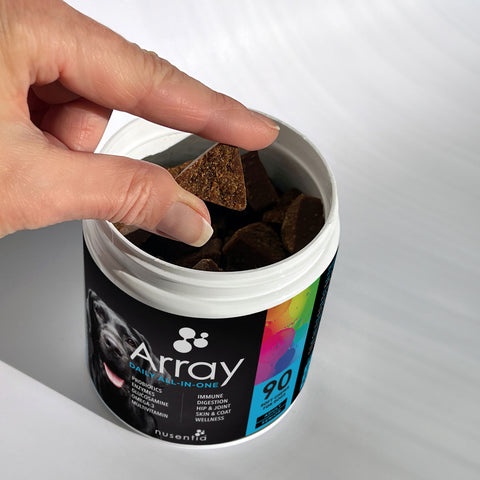
Our best-in-class, specially formulated soft chews are the ultimate in filling nutritional gaps left by dog food. Loaded with vitamins, antioxidants, flavonoids, minerals, and vital nutrients, Spectrin Chews excel in enhancing joint health with glucosamine and chondroitin, promoting radiant skin and coat, supporting cardiovascular function, and strengthening bones. Ideal for dogs ages one year and older, they boost overall wellness and mobility.

4. Miracle Pack
Get the best of both worlds with the Miracle Pack, a combination of Probiotic Miracle and Enzyme Miracle with great savings. Create optimal gut health for dogs by combining probiotics and digestive enzymes together.

FAQ - Frequently Asked Questions About Probiotics for Dogs
|
How long until my dog shows results from probiotics? |
Most dogs show noticeable digestive improvements within 1 to 4 weeks of starting daily probiotics. While some mild changes like firmer stools or less gas can appear in just 24 to 72 hours, a full month of consistent use is usually needed to truly balance the gut microbiome |
|
Can I give my dog probiotics with food? |
Yes! In fact, a lot of times it is easier to add probiotics straight to their food. |
|
What about giving probiotics to puppies and senior dogs? |
Puppies can safely have probiotics once they are weaned from their mother's milk, typically starting around 8 weeks of age. You can give senior dogs probiotics. They help support aging immune systems, improve digestion, and manage age-related gut issues like gas or loose stool. |
Get Your Paws on Some Probiotics!
Enzymes and probiotics can be beneficial additions in creating gut health for dogs, helping support their digestive health and overall well-being. If you're considering adding enzymes or probiotics to your dog's diet, it's important to consult your veterinarian to determine the right products and dosage for your dog's specific needs. With the right enzymes and probiotics, you can help transform digestive health for dogs, and keep them happy and healthy!

Probiotics for Dogs and Cats
Probiotic Miracle® delivers concentrated probiotics for dogs and cats to help balance gut bacteria, support digestive health, and promote overall well-being.
We recommend this product
